Digital payments have become an essential part of everyday life. Whether shopping online, paying for subscriptions, or managing business expenses, people rely heavily on payment cards. Traditionally, physical debit and credit cards have been the primary method of payment. However, the rise of fintech technology has introduced a more modern solution known as the virtual card.
Both virtual and physical cards allow users to make payments conveniently, but they differ significantly in terms of security, flexibility, and control. Understanding these differences can help individuals and businesses choose the most suitable payment method for their needs.
What Are Physical Cards?
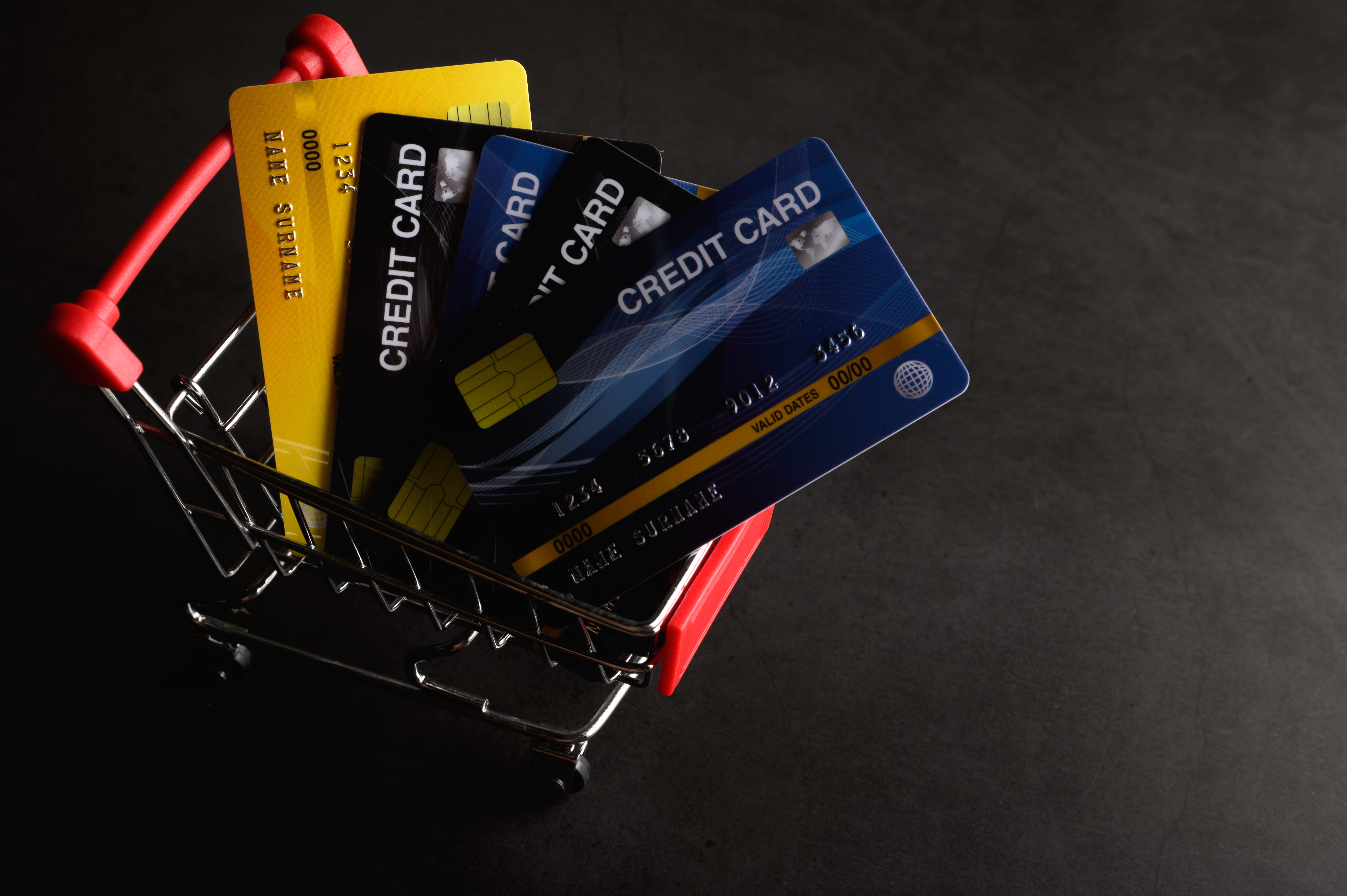
Physical cards are the traditional plastic debit or credit cards issued by banks and financial institutions. They contain important payment information such as the card number, expiration date, and CVV code printed on the card.
These cards can be used in multiple ways, including online transactions, point-of-sale payments, and ATM withdrawals. While they remain widely used, physical cards come with certain security risks, especially when card details are exposed during online transactions.
What Are Virtual Cards?
A virtual card is a digital version of a payment card that exists only in electronic form. Instead of receiving a plastic card, users generate a card number through a digital platform or fintech application.
Virtual cards function similarly to physical cards but are primarily used for online transactions. Many virtual card systems also allow users to customize card settings, such as spending limits and expiration dates, which improves overall payment security.
Key Security Differences
One of the main reasons virtual cards are gaining popularity is their enhanced security features. Below are some important security differences between virtual and physical cards.
1. Exposure of Card Details
Physical cards contain all payment information printed on the card itself. If the card is lost, stolen, or photographed, criminals may gain access to the card details and use them for fraudulent transactions.
Virtual cards reduce this risk because they are generated digitally and can be easily replaced or deleted if compromised. Some systems even allow users to hide the card number until it is needed.
2. Temporary and Disposable Cards
Virtual card platforms often allow users to create disposable or single-use cards. These cards are valid for only one transaction and automatically expire afterward.
Physical cards cannot offer this level of flexibility. Once a physical card is issued, it usually remains active for several years unless it is manually canceled.
3. Spending Controls
Virtual cards provide advanced spending controls that help users manage their finances more effectively. Many platforms allow users to set transaction limits, daily spending caps, or merchant restrictions.
With physical cards, these controls are often limited or unavailable, making it harder to prevent unauthorized transactions.
4. Instant Card Freezing
If suspicious activity is detected, virtual cards can be instantly frozen or deleted from a user dashboard. This immediate control helps prevent further fraudulent transactions.
While physical cards can also be blocked, the process typically requires contacting the issuing bank and waiting for a replacement card.
5. Reduced Risk of Theft
Physical cards can be stolen or lost, which creates opportunities for unauthorized usage. Virtual cards eliminate this risk because they exist only digitally and are accessed through secure user accounts.
Use Cases for Physical Cards
Despite their security limitations, physical cards are still necessary in many situations. They remain the preferred payment method for in-person transactions and ATM withdrawals.
- Point-of-sale purchases
- ATM withdrawals
- Offline payments
- Retail store transactions
For these use cases, physical cards provide convenience and universal acceptance.
Use Cases for Virtual Cards
Virtual cards are particularly well suited for digital transactions and online payment environments.
- Online shopping
- Subscription services
- Software and SaaS payments
- Digital advertising expenses
- Business vendor payments
Their customizable security features make them a preferred option for users who prioritize privacy and financial control.
Why Businesses Prefer Virtual Cards
Many organizations are shifting toward virtual card systems to improve expense management and financial transparency. Companies can generate cards for specific employees, departments, or vendors.
This approach makes it easier to monitor spending, prevent misuse of company funds, and maintain accurate financial records.
The Future of Card Payments
As digital commerce continues to expand, virtual cards are expected to play a larger role in global payment systems. Their flexibility, security, and instant availability make them an attractive alternative to traditional plastic cards.
However, physical cards are unlikely to disappear completely because they are still necessary for certain offline transactions. Instead, the future of payments will likely involve a combination of both virtual and physical cards working together.
Conclusion
Both virtual cards and physical cards offer unique advantages, but when it comes to security and control, virtual cards provide several important benefits. Features such as disposable card numbers, spending limits, and instant card management make them an ideal solution for modern digital payments.
For individuals and businesses that frequently conduct online transactions, virtual cards represent a safer and more flexible way to manage financial activities in today's digital economy.